Boost 共通テスト 英語リーディング2023年度
2023年度・本試験

共通テスト英語 2023年度(令和5年度) 本試験 第4問
本文と解答解説

問題を解いたら、意味のまとまりごとに本文を読み直しましょう。

1

問題PDF

2

全文訳

Your teacher has asked you to read two articles about effective ways to study. You will discuss what you learned in your next class.

How to Study Effectively: Contextual Learning!

Tim Oxford

Science Teacher, Stone City Junior High School

Tim Oxford As a science teacher, I am always concerned about how to help students who struggle to learn. Recently, I found that their main way of learning was to study new information repeatedly until they could recall it all. For example, when they studied for a test, they would use a workbook like the example below and repeatedly say the terms that go in the blanks: “Obsidian is igneous, dark, and glassy. Obsidian is igneous, dark, and glassy….” These students would feel as if they had learned the information, but would quickly forget it and get low scores on the test. Also, this sort of repetitive learning is dull and demotivating.

先生から、効果的な勉強方法についての記事を2本読むように言われました。次の授業で、学んだことについて話し合います。

効果的な勉強法:文脈的学習!

Tim Oxford

Stone City Junior High School 理科教師

Tim Oxford 理科教師として、私は学習に苦労している生徒たちをどのように助ければよいか、いつも気にかけています。最近、そうした生徒たちの主な学習方法は、新しい情報をすべて思い出せるようになるまで繰り返し勉強することだと分かりました。例えば、テスト勉強をするとき、下の例のようなワークブックを使い、空欄に入る語句を繰り返し言っていました。「Obsidian is igneous, dark, and glassy. Obsidian is igneous, dark, and glassy……」。こうした生徒たちは、情報を学んだつもりになりますが、すぐに忘れてしまい、テストでは低い点数を取っていました。また、このような反復学習は退屈で、学習意欲を失わせます。
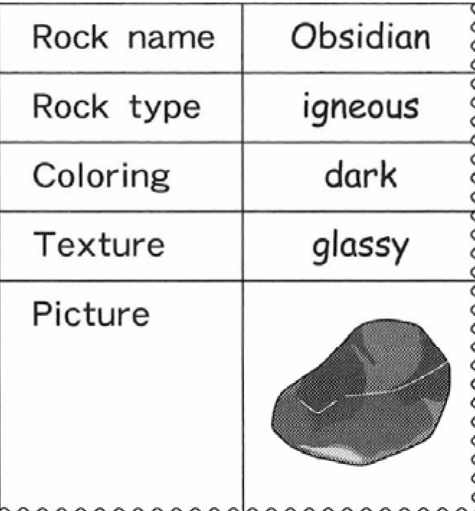
Tim Oxford To help them learn, I tried applying “contextual learning.” In this kind of learning, new knowledge is constructed through students’ own experiences. For my science class, students learned the properties of different kinds of rocks. Rather than having them memorize the terms from a workbook, I brought a big box of various rocks to the class. Students examined the rocks and identified their names based on the characteristics they observed.

Rock information table showing Obsidian, igneous, dark, and glassy, with a rock illustration.

Tim Oxford Thanks to this experience, I think these students will always be able to describe the properties of the rocks they studied. One issue, however, is that we don’t always have the time to do contextual learning, so students will still study by doing drills. I don’t think this is the best way. I’m still searching for ways to improve their learning.

Tim Oxford 生徒たちが学べるように、私は「文脈的学習」を取り入れてみました。この学習方法では、生徒自身の経験を通して新しい知識が組み立てられます。私の理科の授業では、生徒たちはさまざまな種類の岩石の性質を学びました。ワークブックの語句を暗記させる代わりに、私はさまざまな岩石を入れた大きな箱を授業に持っていきました。生徒たちは岩石を調べ、観察した特徴に基づいてその名称を特定しました。

Tim Oxford この経験のおかげで、生徒たちは学んだ岩石の性質をいつでも説明できるようになるだろうと、私は考えています。しかし、問題が一つあります。私たちには文脈的学習を行う時間がいつもあるわけではないため、生徒たちは今後もドリルを行って勉強することになります。私は、これが最善の方法だとは思いません。私は今も、生徒たちの学習を改善する方法を探しています。

How to Make Repetitive Learning Effective

Cheng Lee

Professor, Stone City University

Cheng Lee Mr. Oxford’s thoughts on contextual learning were insightful. I agree that it can be beneficial. Repetition, though, can also work well. However, the repetitive learning strategy he discussed, which is called “massed learning,” is not effective. There is another kind of repetitive learning called “spaced learning,” in which students memorize new information and then review it over longer intervals.

反復学習を効果的にする方法

Cheng Lee

Stone City University 教授

Cheng Lee Mr. Oxfordの文脈的学習についての考えは示唆に富んでいました。それが役立つことには私も同意します。しかし、反復も効果的です。ただし、彼が取り上げた反復学習の方法は「集中学習」と呼ばれるもので、効果的ではありません。反復学習にはもう一つ、「分散学習」と呼ばれる方法があります。これは、生徒が新しい情報を暗記した後、より長い間隔を置いて復習する方法です。

Cheng Lee The interval between studying is the key difference. In Mr. Oxford’s example, his students probably used their workbooks to study over a short period of time. In this case, they might have paid less attention to the content as they continued to review it. The reason for this is that the content was no longer new and could easily be ignored. In contrast, when the intervals are longer, the students’ memory of the content is weaker. Therefore, they pay more attention because they have to make a greater effort to recall what they had learned before. For example, if students study with their workbooks, wait three days, and then study again, they are likely to learn the material better.

Cheng Lee 勉強と勉強の間隔が、重要な違いです。Mr. Oxfordの例では、生徒たちはおそらく、短い期間にワークブックを使って勉強していました。この場合、生徒たちは復習を続けるうちに、内容にあまり注意を払わなくなったかもしれません。なぜなら、その内容はもはや新しいものではなく、簡単に無視できたからです。それに対して、間隔が長いと、生徒たちの内容に関する記憶は弱くなります。したがって、以前に学んだことを思い出すためにより大きな努力をしなければならず、より注意を払うようになります。例えば、生徒たちがワークブックで勉強し、3日間待ってから再び勉強すると、教材をよりよく学べる可能性が高くなります。

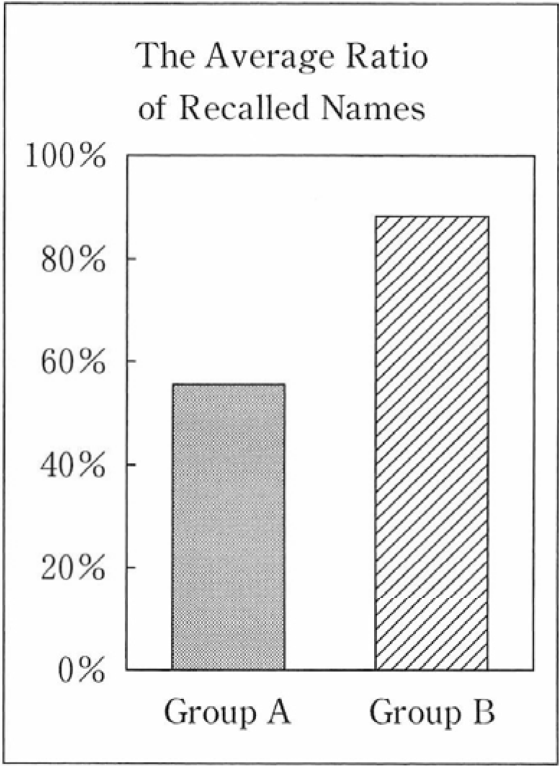
Cheng Lee Previous research has provided evidence for the advantages of spaced learning. In one experiment, students in Groups A and B tried to memorize the names of 50 animals. Both groups studied four times, but Group A studied at one-day intervals while Group B studied at one-week intervals. As the figure to the right shows, 28 days after the last learning session, the average ratio of recalled names on a test was higher for the spaced learning group.

Bar graph comparing the average ratio of recalled names for Group A and Group B, with Group B higher.

Cheng Lee I understand that students often need to learn a lot of information in a short period of time, and long intervals between studying might not be practical. You should understand, though, that massed learning might not be good for long-term recall.

Cheng Lee これまでの研究は、分散学習の利点を示す証拠を提供しています。ある実験では、Group AとGroup Bの生徒たちが、50種類の動物の名前を暗記しようとしました。両グループとも4回勉強しましたが、Group Aは1日間隔で、Group Bは1週間間隔で勉強しました。右の図が示すように、最後の学習から28日後にテストを行ったところ、思い出せた名前の平均割合は、分散学習をしたグループの方が高くなりました。

Cheng Lee 生徒たちは短期間に多くの情報を学ぶ必要があることが多く、勉強の間に長い間隔を置くのは現実的でないかもしれない、ということは理解しています。しかし、集中学習は長期的な想起には適していない可能性があることを理解しておくべきです。

Question 1. Oxford believes that [24].

① continuous drilling is boring ② reading an explanation of terms is helpful ③ students are not interested in science ④ studying with a workbook leads to success

Question 2. In the study discussed by Lee, students took a test [25] after their final session.

① four weeks ② immediately ③ one day ④ one week

Question 3. Lee introduces spaced learning, which involves studying at [26] intervals, in order to overcome the disadvantages of [27] learning that Oxford discussed. (Choose the best one for each box from options ①〜⑥.)

① contextual ② extended ③ fixed ④ irregular ⑤ massed ⑥ practical

Question 4. Both writers agree that [28] is helpful for remembering new information.

① experiential learning ② having proper rest ③ long-term attention ④ studying with workbooks

Question 5. Which additional information would be the best to further support Lee’s argument for spaced learning? [29]

① The main factor that makes a science class attractive ② The most effective length of intervals for spaced learning ③ Whether students’ workbooks include visuals or not ④ Why Oxford’s students could not memorize information well

問1。Oxfordは、[24]と考えている。

① 継続的なドリルは退屈である ② 語句の説明を読むことは役に立つ ③ 生徒たちは理科に興味がない ④ ワークブックを使って勉強すると成功につながる

問2。Leeが取り上げた研究では、生徒たちは最後の学習の[25]後にテストを受けた。

① 4週間 ② すぐに ③ 1日 ④ 1週間

問3。Leeは、Oxfordが論じた[27]学習の欠点を克服するために、[26]間隔で勉強する分散学習を紹介している。(各空欄について、①〜⑥の選択肢から最も適切なものを一つ選びなさい。)

① 文脈的な ② 延長された ③ 固定された ④ 不規則な ⑤ 集中的な ⑥ 実用的な

問4。両筆者は、新しい情報を覚えるのに[28]が役立つという点で一致している。

① 経験的学習 ② 適切な休息を取ること ③ 長期的な注意 ④ ワークブックを使って勉強すること

問5。Leeの分散学習に対する主張をさらに裏付けるために、どの追加情報が最も適切か。[29]

① 理科の授業を魅力的にする主な要因 ② 分散学習における最も効果的な間隔の長さ ③ 生徒たちのワークブックに図が含まれているかどうか ④ Oxfordの生徒たちが情報をうまく暗記できなかった理由

3

解答解説

設問 1 の解答・解説

Oxford believes that ____.

訳

Oxfordは、[24]と考えている。

Oxfordは、生徒が用語を短時間に何度も唱えても、すぐ忘れてテストで低得点になり、その学習は“dull and demotivating”だと述べます。continuous drillingはこのような連続的な反復練習を表すため、「boring」と評価する①が該当します。

選択肢を比べる

1. continuous drilling is boring

○ 正解
訳

継続的なドリルは退屈である

本文は短時間に同じ用語を繰り返す学習を“dull”と評価しています。continuous drilling is boringは、この評価を言い換えています。

2. reading an explanation of terms is helpful

訳

語句の説明を読むことは役に立つ

本文は用語の説明を読むことではなく、ワークブックの語句を繰り返し唱える学習を扱っています。説明を読むことがhelpfulだという記述はありません。

3. students are not interested in science

訳

生徒たちは理科に興味がない

Oxfordが問題にしているのはscienceへの関心ではなく、反復学習の退屈さと忘れやすさです。

4. studying with a workbook leads to success

訳

ワークブックを使って勉強すると成功につながる

Oxfordはワークブックによる反復では生徒がすぐ忘れ、テストで低得点になると述べています。成功につながる方法としては評価していません。

設問 2 の解答・解説

In the study discussed by Lee, students took a test ____ after their final session.

訳

Leeが取り上げた研究では、生徒たちは最後の学習の[25]後にテストを受けた。

Leeの実験では、両グループが4回学習した後、最後の学習セッションから28日後に想起テストを受けました。28日は約4週間なので①です。

選択肢を比べる

1. four weeks

○ 正解
訳

4週間

28日は約4週間であり、本文のテスト時期と一致します。

2. immediately

訳

すぐに

テストは最後の学習の直後ではなく、28日後に行われています。

3. one day

訳

1日

one dayはGroup Aの学習間隔であり、テストまでの期間ではありません。

4. one week

訳

1週間

one weekはGroup Bの学習間隔であり、テストまでの期間ではありません。

設問 3 の解答・解説

Lee introduces spaced learning, which involves studying at ____ intervals, in order to overcome the disadvantages of ____ learning that Oxford discussed. Choose the best one for each box from options ①〜⑥.

訳

Leeは、Oxfordが論じた[27]学習の欠点を克服するために、[26]間隔で勉強する分散学習を紹介している。各空欄について、①〜⑥の選択肢から最も適切なものを一つ選びなさい。

spaced learningは、新しい情報を学んだ後、長い間隔を置いて復習する方法です。“review it over longer intervals”が定義に当たるため、空欄26は②extendedです。

選択肢を比べる

1. contextual

訳

文脈的な

contextualは経験を通じて知識を組み立てる学習法で、intervalsの長さを表しません。

2. extended

○ 正解
訳

延長された

extended intervalsは、復習の間隔を長くするspaced learningの定義に合います。

3. fixed

訳

固定された

本文はintervalsをfixedと表現していません。重視されているのは長さです。

4. irregular

訳

不規則な

本文は不規則な間隔ではなく、より長い間隔で復習することを説明しています。

5. massed

訳

集中的な

massedは短時間に集中して反復する別の学習法です。

6. practical

訳

実用的な

practicalは「実行可能な」という意味で、intervalsの長さや種類を表しません。

設問 4 の解答・解説

Lee introduces spaced learning, which involves studying at ____ intervals, in order to overcome the disadvantages of ____ learning that Oxford discussed. Choose the best one for each box from options ①〜⑥.

訳

Leeは、Oxfordが論じた[27]学習の欠点を克服するために、[26]間隔で勉強する分散学習を紹介している。各空欄について、①〜⑥の選択肢から最も適切なものを一つ選びなさい。

LeeがOxfordの方法を分類した名称はmassed learningです。これは短時間に集中して繰り返す方法で、Leeが長期的な想起に適さない可能性を指摘する対象です。したがって空欄27は⑤です。

選択肢を比べる

1. contextual

訳

文脈的な

contextual learningはOxfordが試した経験型学習で、批判された反復方法の名称ではありません。

2. extended

訳

延長された

extendedはspaced learningのintervalsを説明する語で、Oxfordの方法の名称ではありません。

3. fixed

訳

固定された

fixed learningという分類は本文に示されていません。

4. irregular

訳

不規則な

irregular learningという学習法は本文で説明されていません。

5. massed

○ 正解
訳

集中的な

massed learningはOxfordが説明した短時間の集中反復で、Leeがspaced learningと対比している方法です。

6. practical

訳

実用的な

practicalは「現実的な」という意味で、批判対象となる学習法の名称ではありません。

設問 5 の解答・解説

Both writers agree that ____ is helpful for remembering new information.

訳

両筆者は、新しい情報を覚えるのに[28]が役立つという点で一致している。

Oxfordはcontextual learningについて、新しい知識が生徒自身の経験から構築されると述べます。Leeも冒頭でその方法が有益だと認めています。二人が共通して認めるのは、経験を通じた学習が新しい情報の記憶に役立つことなので①です。

選択肢を比べる

1. experiential learning

○ 正解
訳

経験的学習

Oxfordは経験を通じた学習を実践し、Leeもcontextual learningがbeneficialだと認めています。

2. having proper rest

訳

適切な休息を取ること

二人ともproper restについて説明していません。Leeが論じるのは学習間隔であって、休息そのものではありません。

3. long-term attention

訳

長期的な注意

Leeは間隔が長いと想起の努力が増えると述べますが、long-term attentionを二人の共通の主張として示していません。

4. studying with workbooks

訳

ワークブックを使って勉強すること

Oxfordはワークブックだけの反復を問題視し、Leeもmassed learningを長期的想起に不向きな方法として扱っています。

設問 6 の解答・解説

Which additional information would be the best to further support Lee’s argument for spaced learning? ____

訳

Leeの分散学習に対する主張をさらに裏付けるために、どの追加情報が最も適切か。[29]

Leeの中心主張は、復習間隔が記憶の成績に影響するということです。したがって、異なる間隔で学習した場合の成績を比較し、最も効果的な間隔を示す情報が追加されれば、主張を直接補強できます。②が適切です。

選択肢を比べる

1. The main factor that makes a science class attractive

訳

理科の授業を魅力的にする主な要因

science classの魅力はOxfordの授業例に関する情報で、復習間隔と長期記憶の関係を検証しません。

2. The most effective length of intervals for spaced learning

○ 正解
訳

分散学習における最も効果的な間隔の長さ

復習間隔の長さごとの想起成績を比較すれば、spaced learningが有効だというLeeの主張を直接支えられます。

3. Whether students’ workbooks include visuals or not

訳

生徒たちのワークブックに図が含まれているかどうか

ワークブックにvisualsがあるかどうかは、1日間隔と1週間間隔の差を説明する情報ではありません。

4. Why Oxford’s students could not memorize information well

訳

Oxfordの生徒たちが情報をうまく暗記できなかった理由

Oxfordの生徒が覚えられなかった理由は、Leeが示す復習間隔の効果を直接裏付ける追加証拠ではありません。

4

読み方のポイントまとめ

第4問は、効果的な学習法について二つの文章を読み、短時間に繰り返すmassed learning、経験と結びつけるcontextual learning、間隔を空けて復習するspaced learningを比較する問題です。Oxfordは、用語をワークブックで何度も唱えるだけでは、覚えたつもりでもすぐ忘れ、テストの得点につながらず、学習意欲も下がると述べます。その改善策として、実物の岩石を観察し、特徴から名前を判断するcontextual learningを試します。Leeは、反復そのものを否定せず、短時間に集中するmassed learningと、長い間隔で復習するspaced learningを区別します。設問では、筆者の評価、実験後のテスト時期、学習法の定義、二人の共通点、主張を補強する追加情報を、本文の定義・対比・実験結果から判断します。

  • 最初にOxfordとLeeの立場を一文ずつ整理します。Oxfordはワークブックで同じ用語を短時間に繰り返す学習を批判し、経験を通じた学習を試します。Leeは反復一般を否定せず、短時間の反復をmassed learning、間隔を空ける反復をspaced learningと区別します。
  • 空欄補充では、選択肢の意味だけでなく本文の定義表現を探します。spaced learningは“review it over longer intervals”、massed learningはOxfordが行っていた短時間の集中反復です。
  • 日数を問う問題では、学習間隔とテストまでの期間を区別します。Leeの実験では、Group Aは1日間隔、Group Bは1週間間隔で学び、最後の学習から28日後にテストを受けています。
  • 追加情報を選ぶ問題では、筆者の主張に含まれる変数を確認します。spaced learningの中心は復習間隔と長期的な想起率なので、間隔の長さを比較する情報が最も直接的です。

間違えやすいポイント

Leeはrepetitionそのものを否定していません。問題にしているのは、短時間に集中するmassed learningです。
“Repetition, though, can also work well”を確認し、反復一般とmassed learningを区別してください。

設問2のone dayとone weekは、テストまでの期間ではなく、二つのグループの学習間隔です。
after their final sessionという表現に対応する28 daysを探し、学習間隔とテスト時期を分けて読みます。

設問1では、continuous drilling is boringをreading an explanation of terms is helpfulと取り違えないことが重要です。
Oxfordの評価語“dull and demotivating”に直接対応する選択肢を探してください。

設問5は、Oxfordの授業が魅力的かどうかではなく、Leeのspaced learningの効果をさらに証明する情報を問います。
interval、memory、recalled namesに直接関係する選択肢を選びます。

設問3では、spacedとmassedの対応を逆にしやすいです。
spaced=longer intervals、massed=短時間の集中反復と整理してから空欄に入れます。

次の問題にも使える読み方

筆者の主張を対比表にする
二人の文章を読むときは、共通点だけでなく、一方の主張を他方がどのように修正・限定しているかを整理します。
例:Oxfordは反復学習を広く批判しますが、Leeは“Repetition ... can also work well”と述べ、massed learningだけを問題視しています。

定義と具体例を対応させる
抽象語が出たら、直後の定義表現と具体例を結びつけます。用語問題では、単語の意味だけより本文の対応関係が強い根拠になります。
例:spaced learning=“over longer intervals”、具体例=3日待って再学習、実験=1週間間隔のGroup Bです。

数字の条件を三点セットで読む
実験やグラフでは、対象、条件、測定時点をまとめて確認します。数字だけを拾うと、学習間隔とテスト時期を混同します。
例:50種類の動物名を4回学び、1日または1週間間隔で復習し、最後の学習から28日後に想起率を測定しています。

追加証拠は主張の変数をそろえる
追加情報を選ぶときは、筆者の主張に含まれる比較対象・条件・結果を特定し、それらを直接測る選択肢を選びます。
例:spaced learningの変数は復習間隔なので、science classの魅力ではなく、最適なintervalの長さを比較する情報が必要です。

5

重要語句

effective
効果的な
struggle to learn
学ぶことに苦労する
recall
思い出す、想起する
repetitive learning
反復学習
dull
退屈な
demotivating
意欲を失わせる
contextual learning
経験や状況と結びつけた学習
construct knowledge
知識を組み立てる
properties
性質、特性
various
さまざまな
identify
特定する、識別する
based on
〜に基づいて
characteristics
特徴
massed learning
短期間に集中して繰り返す学習
spaced learning
間隔を空けて復習する学習
interval
間隔
in contrast
対照的に
pay attention to
〜に注意を払う
make an effort to recall
思い出そうと努力する
long-term recall
長期的な想起
insightful
洞察に富んだ
practical
現実的な、実行可能な