Boost 共通テスト 英語リーディング2021年度
2021年度・第2日程

共通テスト英語 2021年度(令和3年度) 第2日程 第5問
本文と解答解説

問題を解いたら、意味のまとまりごとに本文を読み直しましょう。

1

問題PDF

2

全文訳

Vivian Maier

This is the story of an American street photographer who kept her passion for taking pictures secret until her death. She lived her life as a caregiver, and if it had not been for the sale of her belongings at an auction house, her incredible work might never have been discovered.

It was 2007. A Chicago auction house was selling off the belongings of an old woman named Vivian Maier. She had stopped paying storage fees, and so the company decided to sell her things. Her belongings—mainly old photographs and negatives—were sold to three buyers: Maloof, Slattery, and Prow.

Slattery thought Vivian’s work was interesting so he published her photographs on a photo-sharing website in July 2008. The photographs received little attention. Then, in October, Maloof linked his blog to his selection of Vivian’s photographs, and right away, thousands of people were viewing them. Maloof had found Vivian Maier’s name with the prints, but he was unable to discover anything about her. Then an Internet search led him to a 2009 newspaper article about her death. Maloof used this information to discover more about Vivian’s life, and it was the combination of Vivian’s mysterious life story and her photographs that grabbed everyone’s attention.

Details of Vivian’s life are limited for two reasons. First, since no one had interviewed her while she was alive, no one knew why she took so many photographs. Second, it is clear from interviews with the family she worked for that Vivian was a very private person. She had few friends. Besides, she had kept her hobby a secret.

Vivian Maier

これは、写真を撮ることへの情熱を死ぬまで秘密にしていた、アメリカ人のストリート写真家の物語である。彼女は世話係として生涯を送った。もしオークション会社で彼女の持ち物が売られていなかったら、彼女の驚くべき作品は決して発見されなかったかもしれない。

2007年のことだった。Chicagoのあるオークション会社が、Vivian Maierという名の高齢女性の持ち物を売りに出していた。彼女は保管料の支払いをやめていたため、その会社は彼女の品物を売ることにした。彼女の持ち物――主に古い写真とネガ――は、Maloof、Slattery、Prowの3人の買い手に売却された。

SlatteryはVivianの作品を興味深いと思い、2008年7月に写真共有ウェブサイトで彼女の写真を公開した。その写真はほとんど注目を集めなかった。ところが10月、Maloofが自分のブログをVivianの写真の一部にリンクすると、すぐに何千人もの人々がそれらを見ていた。Maloofはプリントされた写真とともにVivian Maierの名前を見つけていたが、彼女について何も明らかにすることができなかった。その後、インターネットで検索した結果、2009年に掲載された彼女の死に関する新聞記事に行き着いた。Maloofはこの情報を使ってVivianの人生についてさらに調べた。そして、Vivianの謎めいた生涯の物語と彼女の写真が組み合わさったことが、皆の関心を引いたのである。

Vivianの人生についての詳細が限られているのには、2つの理由がある。第一に、彼女が生きている間に誰も彼女にインタビューしなかったため、なぜ彼女がそれほど多くの写真を撮ったのか誰も知らなかった。第二に、彼女が働いていた家族へのインタビューから、Vivianがとても人目を避ける人物だったことが明らかである。彼女には友人がほとんどいなかった。そのうえ、彼女は自分の趣味を秘密にしていた。
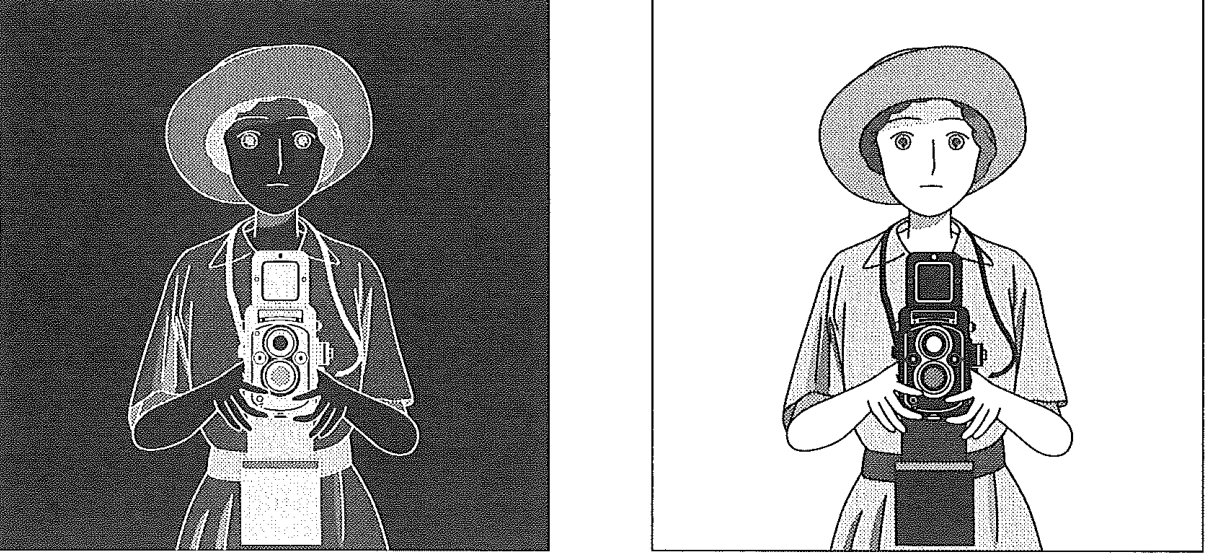
Vivian Maier holding a camera; a film negative is shown on the left and a printed image is shown on the right.

Vivian was born in 1926 in the United States to an Austrian father and a French mother. The marriage was not a happy one, and it seems her mother and father lived apart for several years. During her childhood Vivian frequently moved between the US and France, sometimes living in France, and sometimes in the US. For a while, Vivian and her mother lived in New York with Jeanne Bertrand, a successful photographer. It is believed that Vivian became interested in photography as a young adult, as her first photos were taken in France in the late 1940s using a very simple camera. She returned to New York in 1951, and in 1956 she moved to Chicago to work as a caregiver for the Gensburg family. This job gave her more free time for taking photographs.

In 1952, at the age of 26, she purchased her first 6 × 6 camera, and it was with this that most of her photographs of life on the streets of Chicago were taken. For over 30 years she took photos of children, the elderly, the rich, and the poor. Some people were not even aware that their picture was being taken. She also took a number of self-portraits. Some were reflections of herself in a shop window. Others were of her own shadow. Vivian continued to document Chicago life until the early 1970s, when she changed to a new style of photography.

Vivianは1926年、Austrian人の父親とFrench人の母親のもと、United Statesで生まれた。結婚生活は幸せなものではなく、母親と父親は数年間別々に暮らしていたようである。子どもの頃、VivianはUSとFranceの間を頻繁に行き来し、Franceに住むこともあれば、USに住むこともあった。しばらくの間、Vivianと母親はNew Yorkで、成功した写真家であるJeanne Bertrandと暮らした。Vivianが若い成人の頃に写真に関心を持つようになったと考えられている。彼女が最初に撮った写真は、1940年代後半にFranceで、とても簡単なカメラを使って撮影されたものだったからである。彼女は1951年にNew Yorkへ戻り、1956年にはGensburg familyの世話係として働くためChicagoへ移った。この仕事によって、彼女は写真を撮るためのより多くの自由時間を得た。

1952年、26歳のとき、彼女は初めて6×6カメラを購入し、Chicagoの街頭での生活を写した写真の大半は、このカメラで撮影された。30年以上にわたり、彼女は子ども、高齢者、裕福な人々、貧しい人々の写真を撮った。自分が撮影されていることにさえ気づいていない人もいた。彼女は自画像も数多く撮った。その中には、店のショーウィンドーに映った自分の姿を写したものもあった。また、自分の影を写したものもあった。Vivianは1970年代初めまでChicagoの暮らしを記録し続け、その頃、写真の新しいスタイルへと移行した。

An international award-winning documentary film called Finding Vivian Maier brought interest in her work to a wider audience. The film led to exhibitions in Europe and the US. To choose the photographs that best represent her style, those in charge of the exhibitions have tried to answer the question, “What would Vivian Maier have printed?” In order to answer this question, they used her notes, the photos she actually did print, and information about her preferences as reported by the Gensburgs. Vivian was much more interested in capturing moments rather than the outcome. So, one could say the mystery behind Vivian’s work remains largely “undeveloped.”

国際的な賞を受賞したドキュメンタリー映画Finding Vivian Maierによって、彼女の作品はより幅広い観客の関心を集めた。この映画をきっかけに、EuropeとUSで展覧会が開かれた。Vivianのスタイルを最もよく表す写真を選ぶため、展覧会の担当者たちは「Vivian Maierならどの写真をプリントしただろうか」という問いに答えようとしてきた。この問いに答えるため、彼らは彼女のメモ、実際に彼女がプリントした写真、そしてGensburgsが伝えた彼女の好みに関する情報を使った。Vivianは、結果よりも瞬間を捉えることにずっと関心を持っていた。したがって、Vivianの作品の背後にある謎は、今も大部分が「現像されていない」と言えるだろう。

Presentation notes:

Vivian Maier

Vivian the photographer

☆ She took many pictures while she was working as a caregiver. ☆ Nobody interviewed her while she was alive, so we do not know much about her. ☆ [30]

Vivian’s work

☆ Her photographs mainly concentrated on: ・the young and old, and the rich and poor ・[31] ・[32]

How her work gained recognition

☆ Vivian’s storage fees were not paid. ☆ [33] ☆ [34] ☆ [35] ☆ [36] ☆ The combining of information on her life and work increased people’s interest.

How her work became known worldwide

☆ An award-winning documentary film about her life and work helped capture a new audience. ☆ [37]

The ‘BIG’ unanswered question: [38]

発表用メモ:

Vivian Maier

写真家としてのVivian

☆ 世話係として働いている間に、彼女はたくさんの写真を撮った。 ☆ 彼女が生きている間に誰もインタビューしなかったので、彼女についてはあまり多くのことが分かっていない。 ☆ [30]

Vivianの作品

☆ 彼女の写真は主に次のものに焦点を当てていた: ・若者と高齢者、そして裕福な人々と貧しい人々 ・[31] ・[32]

彼女の作品が評価されるようになった経緯

☆ Vivianの保管料は支払われなかった。 ☆ [33] ☆ [34] ☆ [35] ☆ [36] ☆ 彼女の人生と作品に関する情報が組み合わさったことで、人々の関心が高まった。

彼女の作品が世界中で知られるようになった経緯

☆ 彼女の人生と作品についての受賞ドキュメンタリー映画が、新たな観客の関心を集めるのに役立った。 ☆ [37]

未解決の「大きな」問い: [38]

問 1 Choose the best statement for [30].

① Her work remained undiscovered until it was sold at auction. ② She is thought to have become attracted to photography in her thirties. ③ She took her camera wherever she went and showed her pictures to others. ④ The majority of her photos were taken in New York.

問 2 Choose the two best items for [31] and [32]. (The order does not matter.)

① documentary-style pictures ② industrial landscapes ③ natural landscapes ④ pictures of herself ⑤ shop windows

問 3 Put the following events into the order in which they happened. [33]~[36]

① A buyer linked his blog to some of her pictures. ② A report on Vivian’s death was published in a newspaper. ③ An auction company started selling her old photographs and negatives. ④ Her work was published on the Internet.

問1 [30]に入る最も適切な文を選びなさい。

① 彼女の作品は、オークションで売られるまで発見されないままだった。 ② 彼女は30代になってから写真に興味を持つようになったと考えられている。 ③ 彼女はどこへ行くにもカメラを持って行き、自分の写真を他人に見せた。 ④ 彼女の写真の大半はNew Yorkで撮影された。

問2 [31]と[32]に入る最も適切な項目を2つ選びなさい。(順序は問わない。)

① ドキュメンタリー風の写真 ② 工業地帯の風景 ③ 自然の風景 ④ 自分自身の写真 ⑤ 店のショーウィンドー

問3 次の出来事を、起こった順番に並べなさい。[33]~[36]

① ある買い手が、自分のブログを彼女の写真の一部にリンクした。 ② Vivianの死についての報道が新聞に掲載された。 ③ あるオークション会社が、彼女の古い写真とネガを売り始めた。 ④ 彼女の作品がインターネット上で公開された。

問 4 Choose the best statement for [37].

① Exhibitions of her work have been held in different parts of the world. ② Her photography book featuring street scenes won an award. ③ She left detailed instructions on how her photographs should be treated. ④ The children of Vivian’s employers provided their photographs.

問 5 Choose the best question for [38].

① “What type of camera did she use for taking photos?” ② “Where did she keep all her negatives and prints?” ③ “Why did she leave New York to become a caregiver?” ④ “Why did she take so many photos without showing them to anyone?”

問4 [37]に入る最も適切な文を選びなさい。

① 彼女の作品の展覧会が世界各地で開かれてきた。 ② 街の風景を収めた彼女の写真集が賞を受賞した。 ③ 彼女は、自分の写真をどのように扱うべきかについて詳細な指示を残した。 ④ Vivianの雇い主の子どもたちが、自分たちの写真を提供した。

問5 [38]に入る最も適切な問いを選びなさい。

① 「彼女は写真を撮るのにどのような種類のカメラを使ったのか。」 ② 「彼女はすべてのネガとプリントをどこに保管していたのか。」 ③ 「彼女はなぜNew Yorkを離れて世話係になったのか。」 ④ 「彼女はなぜ誰にも見せずにそれほど多くの写真を撮ったのか。」

3

解答解説

設問 1 の解答・解説

Choose the best statement for ____.

訳

[30]に入る最も適切な文を選びなさい。

auction houseでの所持品の売却が、Maierの作品発見のきっかけでした。

選択肢を比べる

1. Her work remained undiscovered until it was sold at auction.

○ 正解
訳

彼女の作品は、オークションで売られるまで発見されないままだった。

競売で所持品が売却されたことが作品発見につながったと述べています。

2. She is thought to have become attracted to photography in her thirties.

訳

彼女は30代になってから写真に興味を持つようになったと考えられている。

写真への関心はyoung adultの時期に生まれたとされ、thirtiesとは書かれていません。

3. She took her camera wherever she went and showed her pictures to others.

訳

彼女はどこへ行くにもカメラを持って行き、自分の写真を他人に見せた。

写真を人に見せていたとは書かれず、むしろ趣味を秘密にしていました。

4. The majority of her photos were taken in New York.

訳

彼女の写真の大半はNew Yorkで撮影された。

主な撮影場所はChicagoで、写真の大半がNew Yorkで撮られたとは述べていません。

設問 2 の解答・解説

Choose the two best items for ____ and ____. (The order does not matter.)

訳

[31]と[32]に入る最も適切な項目を2つ選びなさい。(順序は問わない。)

撮影対象として人々の生活が挙げられ、自画像も別に説明されています。31・32は順不同で、①と④です。

組み合わせ(順不同)

1. documentary-style pictures

○ 正解
訳

ドキュメンタリー風の写真

人々の生活を記録する写真なので、documentary-style picturesに対応します。 子ども、高齢者、富裕層、貧困層を撮影した内容を表します。

2. industrial landscapes

訳

工業地帯の風景

industrial landscapesを主に撮ったという記述はありません。 工業地帯の風景を撮ったという情報はありません。

3. natural landscapes

訳

自然の風景

natural landscapesではなく、人々とChicagoの街の生活が中心です。 本文の中心は自然風景ではなく、人間と街の生活です。

4. pictures of herself

○ 正解
訳

自分自身の写真

自画像も撮りましたが、本文では人々の生活の記録とは別の項目として示されています。 self-portraitsを撮ったため、pictures of herselfに対応します。

5. shop windows

訳

店のショーウィンドー

shop windowsは自画像が写る場所の一例で、主要な撮影対象ではありません。 店の窓は自画像の撮影方法・場所であり、独立した主要テーマではありません。

設問 3 の解答・解説

Put the following events into the order in which they happened. ____~____

訳

次の出来事を、起こった順番に並べなさい。[33]~[36]

2007年の競売、2008年7月のインターネット公開、同年10月のブログからのリンク、2009年の新聞記事という順序です。33〜36は3→4→1→2です。

最初の位置

1. A buyer linked his blog to some of her pictures.

訳

ある買い手が、自分のブログを彼女の写真の一部にリンクした。

ブログから写真へリンクした出来事は2008年10月で、最初の出来事ではありません。

2. A report on Vivian’s death was published in a newspaper.

訳

Vivianの死についての報道が新聞に掲載された。

新聞記事は2009年で、競売より後に起きています。

3. An auction company started selling her old photographs and negatives.

○ 正解
訳

あるオークション会社が、彼女の古い写真とネガを売り始めた。

2007年、auction companyが古い写真とネガを売り始めました。

4. Her work was published on the Internet.

訳

彼女の作品がインターネット上で公開された。

写真のインターネット公開は2008年7月で、2007年の競売の後です。

2番目の位置

1. A buyer linked his blog to some of her pictures.

訳

ある買い手が、自分のブログを彼女の写真の一部にリンクした。

Maloofのブログからのリンクは2008年10月で、写真公開より後です。

2. A report on Vivian’s death was published in a newspaper.

訳

Vivianの死についての報道が新聞に掲載された。

新聞記事の掲載は2009年で、2008年7月の公開より後です。

3. An auction company started selling her old photographs and negatives.

訳

あるオークション会社が、彼女の古い写真とネガを売り始めた。

競売会社の販売開始は2007年で、2008年7月より前です。

4. Her work was published on the Internet.

○ 正解
訳

彼女の作品がインターネット上で公開された。

2008年7月、Slatteryが写真共有サイトで作品を公開しました。

3番目の位置

1. A buyer linked his blog to some of her pictures.

○ 正解
訳

ある買い手が、自分のブログを彼女の写真の一部にリンクした。

2008年10月、Maloofがブログから写真へリンクしました。

2. A report on Vivian’s death was published in a newspaper.

訳

Vivianの死についての報道が新聞に掲載された。

新聞記事は2009年で、ブログのリンクより後です。

3. An auction company started selling her old photographs and negatives.

訳

あるオークション会社が、彼女の古い写真とネガを売り始めた。

競売は2007年、写真公開は2008年7月で、いずれも10月より前です。

4. Her work was published on the Internet.

訳

彼女の作品がインターネット上で公開された。

写真共有サイトでの公開は2008年7月で、ブログのリンクとは別の出来事です。

最後の位置

1. A buyer linked his blog to some of her pictures.

訳

ある買い手が、自分のブログを彼女の写真の一部にリンクした。

ブログからのリンクは2008年10月で、2009年の新聞記事より前です。

2. A report on Vivian’s death was published in a newspaper.

○ 正解
訳

Vivianの死についての報道が新聞に掲載された。

Maloofが2009年の新聞記事でMaierの死を知った出来事が最後です。

3. An auction company started selling her old photographs and negatives.

訳

あるオークション会社が、彼女の古い写真とネガを売り始めた。

競売は2007年で、最後の出来事ではありません。

4. Her work was published on the Internet.

訳

彼女の作品がインターネット上で公開された。

写真のインターネット公開は2008年7月で、新聞記事より前です。

設問 4 の解答・解説

Choose the best statement for ____.

訳

[37]に入る最も適切な文を選びなさい。

Finding Vivian Maierという受賞ドキュメンタリー映画が作品を広い観客に紹介し、EuropeとUSで展覧会につながりました。

選択肢を比べる

1. Exhibitions of her work have been held in different parts of the world.

○ 正解
訳

彼女の作品の展覧会が世界各地で開かれてきた。

映画をきっかけにEuropeとUSで展覧会が開かれました。

2. Her photography book featuring street scenes won an award.

訳

街の風景を収めた彼女の写真集が賞を受賞した。

受賞したのは写真集ではなくdocumentary filmです。

3. She left detailed instructions on how her photographs should be treated.

訳

彼女は、自分の写真をどのように扱うべきかについて詳細な指示を残した。

展示選定に使った資料は示されていますが、詳細な取り扱い指示ではありません。

4. The children of Vivian’s employers provided their photographs.

訳

Vivianの雇い主の子どもたちが、自分たちの写真を提供した。

Gensburg家はMaierを雇った家族で、彼ら自身の写真を提供したとは書かれていません。

設問 5 の解答・解説

Choose the best question for ____.

訳

[38]に入る最も適切な問いを選びなさい。

本文の大きな未解決の疑問は、Maierがなぜ非常に多くの写真を撮ったのかという点です。

選択肢を比べる

1. What type of camera did she use for taking photos?

訳

彼女は写真を撮るのにどのような種類のカメラを使ったのか。

1952年に購入した6×6カメラについて本文に情報があります。

2. Where did she keep all her negatives and prints?

訳

彼女はすべてのネガとプリントをどこに保管していたのか。

写真とネガは保管され、競売に出された経緯も説明されています。

3. Why did she leave New York to become a caregiver?

訳

彼女はなぜNew Yorkを離れて世話係になったのか。

New YorkからChicagoへ移ったのはcaregiverとして働くためだと説明されています。

4. Why did she take so many photos without showing them to anyone?

○ 正解
訳

彼女はなぜ誰にも見せずにそれほど多くの写真を撮ったのか。

大量に撮影した理由は、生前に本人へインタビューできなかったため分かっていません。

4

読み方のポイントまとめ

この大問は、写真を撮る情熱を生前は秘密にしていたVivian Maierの生涯と作品を扱います。競売をきっかけに写真が発見され、インターネット公開、ブログでの紹介、新聞記事による人物調査、ドキュメンタリー映画と展覧会へ発展する流れを読み取ります。設問では、本文全体の内容一致、撮影対象、複数の出来事の時系列、作品が世界的に知られた経緯、最後まで分からなかった疑問が問われます。年号・月・人物・出来事を対応させ、明示された事実と推測を区別することが重要です。

  • まず本文を、人物紹介、作品発見の経緯、生い立ちと撮影活動、死後の評価というまとまりに分けます。
  • 設問3では、2007、July 2008、October 2008、2009を手がかりに、出来事の主体と順序を整理します。
  • 設問2では、撮影対象そのものと、自画像の撮り方・場所を区別します。
  • 設問4・5では、award-winningが何を修飾するか、本文が明示している情報と未解決の情報は何かを確認します。
  • 複数空欄では、s28は順不同、s29は33〜36の順序指定であることを確認します。

間違えやすいポイント

auction houseで売却されたことと、写真がインターネットで公開されたことを混同しやすいです。
2007年は競売、2008年は公開とリンク、2009年は新聞記事というように、年・主体・出来事を分けて整理してください。

shop windowsを写真の主要テーマだと考えやすいです。
店の窓は自画像の撮影方法・場所であり、本文が挙げる主な対象は人々の生活です。

award-winningという語から、受賞した写真集を選びやすいです。
形容語が修飾する名詞を確認し、本文ではdocumentary filmが受賞対象だと押さえてください。

本文が明示していない理由を想像で補いやすいです。
Maierが大量に撮影した理由は、本人へのインタビューがなく不明だという本文の不確実性を保ってください。

次の問題にも使える読み方

年号・人物・出来事を対応させる
時系列問題では、年号だけでなく誰が何をしたかまで短く記録します。
例:2007=auction houseの販売、July 2008=Slatteryの公開、October 2008=Maloofのリンク、2009=新聞記事です。

列挙内容を種類別に分類する
人・場所・方法・結果を分けると、本文の言い換えと誤選択肢を見抜けます。
例:children・elderly・rich・poorは撮影対象、shop window・shadowは自画像の現れ方です。

修飾関係を確認する
award-winningなどの形容語を見たら、どの名詞を修飾するかを確認します。
例:award-winning documentary filmでは、受賞したのはfilmであり、photography bookではありません。

本文の不確実性を保つ
no one knewやit is believedのような表現は、断定に変えず、そのまま情報の確実性として扱います。
例:撮影理由は不明なので、問5では「なぜ撮ったのか」が未解決の疑問になります。

5

重要語句

street photographer
街頭写真家、街の生活を撮る写真家
passion for
〜への強い情熱
caregiver
世話をする人、介護者
belongings
所持品
auction house
競売会社、オークション会場
sell off
売り払う
storage fee
保管料
negative
ネガ、陰画
photo-sharing website
写真共有サイト
receive attention
注目を集める
link A to B
AをBにリンクする
selection
選んだもの、選集
lead A to B
AをBへ導く、Aにつながる
private person
私生活を人に明かさない人
be believed to do
〜したと考えられている
self-portrait
自画像
reflection
反射像、映った姿
document
記録する
award-winning
受賞した
exhibition
展覧会
preference
好み、選好
capture a moment
瞬間を捉える
largely undeveloped
大部分が未解明のまま