Boost 共通テスト 英語リーディング2022年度
2022年度・本試験

共通テスト英語 2022年度(令和4年度) 本試験 第5問
本文と解答解説

問題を解いたら、意味のまとまりごとに本文を読み直しましょう。

1

問題PDF

2

全文訳

In your English class, you will give a presentation about a great inventor. You found the following article and prepared notes for your presentation.

Who invented television? It is not an easy question to answer. In the early years of the 20th century, there was something called a mechanical television system, but it was not a success. Inventors were also competing to develop an electronic television system, which later became the basis of what we have today. In the US, there was a battle over the patent for the electronic television system, which attracted people’s attention because it was between a young man and a giant corporation. This patent would give the inventor the official right to be the only person to develop, use, or sell the system.
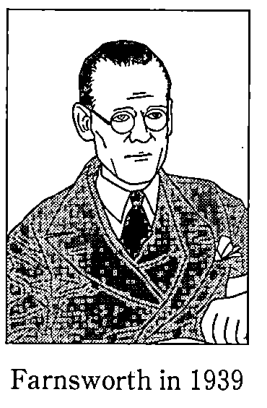
Portrait of Farnsworth with the caption Farnsworth in 1939.

あなたは英語の授業で、偉大な発明家について発表することになりました。次の記事を見つけ、発表のためのメモを準備しました。

テレビを発明したのは誰でしょうか。これは答えるのが簡単な問いではありません。20世紀初頭には、機械式テレビシステムと呼ばれるものがありましたが、成功しませんでした。発明家たちはまた、電子式テレビシステムの開発を競い合っていました。このシステムは後に、今日私たちが使っているものの基礎となりました。米国では、電子式テレビシステムの特許をめぐって争いが起こりました。それが人々の関心を集めたのは、若い男性と巨大企業との争いだったからです。この特許によって、発明家はそのシステムを開発、使用、販売する唯一の人物として公式に認められる権利を得ることになります。

Philo Taylor Farnsworth was born in a log cabin in Utah in 1906. His family did not have electricity until he was 12 years old, and he was excited to find a generator—a machine that produces electricity—when they moved into a new home. He was very interested in mechanical and electrical technology, reading any information he could find on the subject. He would often repair the old generator and even changed his mother’s hand-powered washing machine into an electricity-powered one.

One day, while working in his father’s potato field, he looked behind him and saw all the straight parallel rows of soil that he had made. Suddenly, it occurred to him that it might be possible to create an electronic image on a screen using parallel lines, just like the rows in the field. In 1922, during the spring semester of his first year at high school, he presented this idea to his chemistry teacher, Justin Tolman, and asked for advice about his concept of an electronic television system. With sketches and diagrams on blackboards, he

showed the teacher how it might be accomplished, and Tolman encouraged him to develop his ideas.

Philo Taylor Farnsworthは、1906年にUtahの丸太小屋で生まれました。彼が12歳になるまで、家族には電気がありませんでした。新しい家に引っ越したとき、彼は発電機、つまり電気を作る機械を見つけて大喜びしました。彼は機械技術や電気技術にとても関心があり、その分野について見つけられる情報は何でも読んでいました。彼は古い発電機をよく修理し、母親が手で動かしていた洗濯機さえも電気で動くものに改造しました。

ある日、父親のじゃがいも畑で働いていたとき、彼は振り返り、自分が作った土のまっすぐで平行な畝を見ました。すると突然、畑の畝のような平行線を使えば、画面上に電子画像を作り出せるかもしれないと思いつきました。1922年、高校1年生の春学期に、彼はこの考えを化学の教師であるJustin Tolmanに示し、電子式テレビシステムという構想について助言を求めました。黒板にスケッチや図を描きながら、彼はそれがどのように実現できるかを教師に

説明し、Tolmanは彼にその考えを発展させるよう励ましました。

On September 7, 1927, Farnsworth succeeded in sending his first electronic image. In the following years, he further improved the system so that it could successfully broadcast live images. The US government gave him a patent for this system in 1930.

1927年9月7日、Farnsworthは初めて電子画像を送ることに成功しました。その後数年間、彼はシステムをさらに改良し、生放送の映像をうまく送信できるようにしました。米国政府は1930年に、このシステムについて彼に特許を与えました。

However, Farnsworth was not the only one working on such a system. A giant company, RCA (Radio Corporation of America), also saw a bright future for television and did not want to miss the opportunity. They recruited Vladimir Zworykin, who had already worked on an electronic television system and had earned a patent as early as 1923. Yet, in 1931, they offered Farnsworth a large sum of money to sell them his patent as his system was superior to that of Zworykin’s. He refused this offer, which started a patent war between Farnsworth and RCA.

The company took legal action against Farnsworth, claiming that Zworykin’s 1923 patent had priority even though he had never made a working version of his system. Farnsworth lost the first two rounds of the court case. However, in the final round, the teacher who had copied Farnsworth’s blackboard drawings gave evidence that Farnsworth did have the idea of an electronic television system at least a year before Zworykin’s patent was issued. In 1934, a judge approved Farnsworth’s patent claim on the strength of handwritten notes made by his old high school teacher, Tolman.

しかし、Farnsworthだけがそのようなシステムに取り組んでいたわけではありません。巨大企業RCA(Radio Corporation of America)も、テレビに明るい未来があると考え、その機会を逃したくありませんでした。RCAはVladimir Zworykinを雇いました。彼はすでに電子式テレビシステムに取り組み、早くも1923年に特許を取得していました。それでも1931年、RCAはFarnsworthのシステムがZworykinのものより優れていたため、彼の特許を売ってほしいと多額の金を提示しました。彼はこの申し出を断り、それがFarnsworthとRCAの間の特許争いの始まりとなりました。

RCAはFarnsworthを相手取って法的措置を取り、Zworykinの1923年の特許が優先されると主張しました。Zworykinは自分のシステムの実用版を一度も作っていなかったにもかかわらずです。Farnsworthは裁判の最初の2回の審理で敗れました。しかし最終審では、Farnsworthの黒板の図を写していた教師が証言し、Zworykinの特許が発行される少なくとも1年前には、Farnsworthが電子式テレビシステムのアイデアを持っていたことを示しました。1934年、裁判官は、かつての高校教師Tolmanが書いた手書きのメモを根拠に、Farnsworthの特許請求を認めました。

Farnsworth died in 1971 at the age of 64. He held about 300 US and foreign patents, mostly in radio and television, and in 1999, TIME magazine included Farnsworth in Time 100: The Most Important People of the Century. In an interview after his death, Farnsworth’s wife Pem recalled Neil Armstrong’s moon landing being broadcast. Watching the television with her, Farnsworth had said, “Pem, this has made it all worthwhile.” His story will always be tied to his teenage dream of sending moving pictures through the air and those blackboard drawings at his high school.

Farnsworthは1971年、64歳で亡くなりました。彼は主にラジオとテレビに関して、米国および外国の特許を約300件保有していました。1999年には、TIME誌がFarnsworthを「Time 100: The Most Important People of the Century」に選びました。彼の死後のインタビューで、Farnsworthの妻Pemは、Neil Armstrongの月面着陸がテレビ中継されたことを思い出しました。Farnsworthは彼女と一緒にテレビを見ながら、「Pem、これですべてが報われた」と言ったそうです。彼の物語は、空中を動く映像を送るという10代の夢と、高校の黒板に描いた図と、これからも常に結びついているでしょう。

Your presentation notes:

Philo Taylor Farnsworth (1906–1971)

Early Days – born in a log cabin without electricity – [31] – [32]

Sequence of Key Events [33] [34] Farnsworth successfully sent his first image. [35] [36] RCA took Farnsworth to court.

Outcome – Farnsworth won the patent battle against RCA thanks to [37].

Achievements and Recognition – Farnsworth had about 300 patents. – TIME magazine listed him as one of the century’s most important figures. – [38]

あなたの発表メモ:

Philo Taylor Farnsworth(1906~1971年)

初期の日々 – 電気のない丸太小屋で生まれた – [31] – [32]

主な出来事の順序 [33] [34] Farnsworthが初めて画像を送ることに成功した。 [35] [36] RCAがFarnsworthを訴えて裁判に持ち込んだ。

結果 – Farnsworthは[37]のおかげでRCAとの特許争いに勝った。

功績と評価 – Farnsworthは約300件の特許を持っていた。 – TIME誌は彼を今世紀で最も重要な人物の一人に選んだ。 – [38]

3

解答解説

設問 1 の解答・解説

Which is the best subtitle for your presentation? ____

訳

発表に最もふさわしい副題はどれですか。[30]

原文では、特許争いが「a young man and a giant corporation」の間で起き、後に「a patent war between Farnsworth and RCA」と説明されています。日本語では、若い発明家が巨大企業と争った物語です。題名は本文全体をまとめる必要があるため、発電機や電子式テレビの将来だけを扱う選択肢では足りません。答えは1です。

選択肢を比べる

1. A Young Inventor Against a Giant Company

○ 正解
訳

巨大企業に立ち向かった若い発明家

本文の中心である Farnsworth と巨大企業 RCA の特許争いを、若い発明家と巨大企業の対立としてまとめています。

2. From High School Teacher to Successful Inventor

訳

高校教師から成功した発明家へ

Farnsworth は教師から発明家になったのではなく、高校生のときに教師へ発想を説明した発明家です。

3. Never-Ending Passion for Generating Electricity

訳

電気を生み出すことへの終わりなき情熱

発電機への関心は幼少期の一部であり、テレビの発明と特許争いを含む本文全体を表していません。

4. The Future of Electronic Television

訳

電子式テレビの未来

本文は電子式テレビの将来予測ではなく、Farnsworth の発明、裁判、功績を描いています。

設問 2 の解答・解説

Choose the best two options for ____ and ____ to complete Early Days. (The order does not matter.)

訳

「初期の日々」を完成させるために、[31]と[32]に入る最もふさわしい選択肢を2つ選びなさい。(順序は問いません。)

Early Days には、本文第2段落と第3段落にある幼少期の具体的な行動を二つ入れます。Farnsworth は古い発電機を修理し、母親の手回し洗濯機を電動式に改造しました。また、父親の畑で平行な畝を見たことから電子式テレビの発想を得ました。この二つの行動を述べている④と⑤を選びます。選択肢1は、本文の「find a generator」を「bought a generator」と変え、さらに家族へ電気を供給したという本文にない内容を加えています。

組み合わせ(順不同)

1. bought a generator to provide his family with electricity

訳

家族に電気を供給するために発電機を買った

本文は発電機を見つけたと述べていますが、買ったとは述べていません。また、家族に電気を供給したという説明もありません。 本文の動詞は find であり、buy ではありません。発電機を買って電気を供給したとは書かれていません。

2. built a log cabin that had electricity with the help of his father

訳

父親の助けを借りて電気の通った丸太小屋を建てた

丸太小屋は生まれた場所であり、父親と電気のある小屋を建てたという記述はありません。 丸太小屋を父親の助けで建てたという事実は本文にありません。

3. enjoyed reading books on every subject in school

訳

学校であらゆる分野の本を読むのを楽しんだ

読んだのは機械・電気技術に関する情報で、学校のあらゆる科目の本ではありません。 本文が述べる読書対象は機械・電気技術で、全教科の本ではありません。

4. fixed and improved household equipment for his family

○ 正解
訳

家族のために家庭用機器を修理し改良した

発電機を修理し、母親の洗濯機を電動式に変えたという具体的行動に合います。 発電機の修理と洗濯機の電動化は、家庭用機器を修理・改良した具体例です。

5. got the idea for an electronic television system while working in a field

○ 正解
訳

畑で働いているときに電子式テレビシステムのアイデアを思いついた

父親の畑に並ぶ平行な畝を見たことが、電子式テレビの発想につながりました。幼少期の出来事として挙げられているもう一つの行動です。

設問 3 の解答・解説

Choose four out of the five events (①~⑤) in the order they happened to complete Sequence of Key Events. ____ → ____ → ____ → ____

訳

5つの出来事(①~⑤)から4つを選び、起こった順に並べて、「主な出来事の順序」を完成させなさい。[33] → [34] → [35] → [36]

原文→意味→時系列の条件の順に確認します。1922年に教師へ相談し、1923年に Zworykin が特許を得て、1927年に Farnsworth が最初の電子画像を送り、1930年に Farnsworth が特許を得ました。したがって [33]〜[36] は 2→5→4→1 の順です。1931年の RCA の申し出拒否は候補にはありますが、1930年の特許取得の後に起こるため、この四つには入りません。

最初の位置

1. Farnsworth rejected RCA’s offer.

訳

FarnsworthがRCAの申し出を断った。

RCA の申し出を拒否したのは1931年です。

2. Farnsworth shared his idea with his high school teacher.

○ 正解
訳

Farnsworthが高校の教師に自分のアイデアを伝えた。

1922年に教師へ相談した出来事で、最初です。

3. RCA won the first stage of the battle.

訳

RCAが争いの第一段階で勝った。

RCA が裁判の最初の二段階で勝つのは後の出来事です。

4. The US government gave Farnsworth the patent.

訳

米国政府がFarnsworthに特許を与えた。

Farnsworth の特許取得は1930年です。

5. Zworykin was granted a patent for his television system.

訳

Zworykinが自分のテレビシステムの特許を与えられた。

Zworykin の特許取得は1923年で、教師への相談の後です。

2番目の位置

1. Farnsworth rejected RCA’s offer.

訳

FarnsworthがRCAの申し出を断った。

申し出拒否は1931年です。

2. Farnsworth shared his idea with his high school teacher.

訳

Farnsworthが高校の教師に自分のアイデアを伝えた。

教師への相談は1922年で、すでに最初に置かれます。

3. RCA won the first stage of the battle.

訳

RCAが争いの第一段階で勝った。

RCA の勝訴は裁判開始後です。

4. The US government gave Farnsworth the patent.

訳

米国政府がFarnsworthに特許を与えた。

Farnsworth の特許は1930年で、1923年より後です。

5. Zworykin was granted a patent for his television system.

○ 正解
訳

Zworykinが自分のテレビシステムの特許を与えられた。

Zworykin の1923年の特許取得が、1922年の相談の次です。

3番目の位置

1. Farnsworth rejected RCA’s offer.

訳

FarnsworthがRCAの申し出を断った。

申し出拒否は1931年で、1930年の特許取得より後です。

2. Farnsworth shared his idea with his high school teacher.

訳

Farnsworthが高校の教師に自分のアイデアを伝えた。

教師への相談は1922年です。

3. RCA won the first stage of the battle.

訳

RCAが争いの第一段階で勝った。

RCA の裁判上の勝利は後の出来事です。

4. The US government gave Farnsworth the patent.

○ 正解
訳

米国政府がFarnsworthに特許を与えた。

1927年の画像送信の後、1930年に政府から特許を得ました。

5. Zworykin was granted a patent for his television system.

訳

Zworykinが自分のテレビシステムの特許を与えられた。

Zworykin の特許取得は1923年で、画像送信より前です。

最後の位置

1. Farnsworth rejected RCA’s offer.

○ 正解
訳

FarnsworthがRCAの申し出を断った。

RCA の申し出拒否は1931年で、この候補の中では最後です。

2. Farnsworth shared his idea with his high school teacher.

訳

Farnsworthが高校の教師に自分のアイデアを伝えた。

教師への相談は1922年です。

3. RCA won the first stage of the battle.

訳

RCAが争いの第一段階で勝った。

RCA の勝訴は訴訟後の出来事です。

4. The US government gave Farnsworth the patent.

訳

米国政府がFarnsworthに特許を与えた。

政府の特許付与は1930年で、申し出拒否より前です。

5. Zworykin was granted a patent for his television system.

訳

Zworykinが自分のテレビシステムの特許を与えられた。

Zworykin の特許取得は1923年です。

設問 4 の解答・解説

Choose the best option for ____ to complete Outcome.

訳

[37]に入る最もふさわしい選択肢を選び、「結果」を完成させなさい。

Outcome の空欄には、Farnsworth が特許戦争に勝った直接の理由を入れます。本文では、最終審理で Tolman が保管していた黒板図の写しと手書きの記録が証拠となり、Farnsworth の発想が Zworykin の特許発行より少なくとも1年前だったことが示されました。答えは3です。

選択肢を比べる

1. the acceptance of his rival’s technological inferiority

訳

競争相手の技術的劣勢が認められたこと

本文は Zworykin の技術的劣位を RCA が認めたとは述べていません。決め手は証拠です。

2. the financial assistance provided by Tolman

訳

Tolmanが提供した金銭的援助

Tolman は助言と励ましを与えましたが、金銭的援助をしたとは書かれていません。

3. the sketches his teacher had kept for many years

○ 正解
訳

教師が長年保管していたスケッチ

Tolman が保存していた黒板図の写しと手書き記録が、Farnsworth の発想の先行を証明しました。

4. the withdrawal of RCA from the battle

訳

RCAが争いから撤退したこと

RCA は撤退したのではなく、法的措置を取り、Farnsworth が証拠によって勝ちました。

設問 5 の解答・解説

Choose the best option for ____ to complete Achievements and Recognition.

訳

[38]に入る最もふさわしい選択肢を選び、「功績と評価」を完成させなさい。

Achievements and Recognition には、本人の特許数や TIME 誌での評価に加えて、発明が歴史的なテレビ中継に結びついた事実を入れます。本文では、Neil Armstrong の月面着陸が放送され、Farnsworth は妻 Pem とそれを見ました。つまり、Farnsworth がテレビに出演したのではなく、彼の発明を基礎とするテレビで歴史的映像を見たという意味です。答えは3です。

選択肢を比べる

1. He and his wife were given an award for their work with RCA.

訳

彼と妻はRCAでの仕事に対して賞を与えられた。

Farnsworth と Pem が RCA で働いた功績で賞を受けたとは書かれていません。

2. He appeared on TV when Armstrong’s first moon landing was broadcast.

訳

Armstrongの初めての月面着陸が放送されたとき、彼はテレビに出演した。

Farnsworth がテレビ出演したのではなく、Neil Armstrong の月面着陸の放送を見たと述べられています。

3. His invention has enabled us to watch historic events live.

○ 正解
訳

彼の発明によって、私たちは歴史的な出来事を生中継で見られるようになった。

彼の発明を基礎とするテレビによって、月面着陸のような歴史的出来事を生中継で見ることができました。

4. Many teenagers have followed their dreams after watching him on TV.

訳

彼をテレビで見た多くの10代の若者が、夢を追うようになった。

本文は他の十代の若者が彼を見て夢を追ったとは述べず、Farnsworth 自身の十代の夢を述べています。

4

読み方のポイントまとめ

大問5は、電子式テレビの発明者 Philo Taylor Farnsworth の生涯と、特許をめぐる RCA との争いを発表用メモに整理する問題です。本文は、電気のない丸太小屋での少年時代、技術への関心、畑の畝から得た発想、高校教師への相談、電子画像の送信、RCAとの特許戦争、晩年の評価へと進みます。設問では、全体を表す題名、幼少期の行動、出来事の順序、裁判で勝てた根拠、功績に関する事実を読み取ります。似た語があっても、主語・動詞・時期・因果関係を本文と照合することが重要です。

  • 発表メモの見出しを先に確認し、Early Days は幼少期、Sequence of Key Events は年表、Outcome は勝因、Achievements and Recognition は功績と評価に対応させます。
  • Farnsworth、Tolman、RCA、Zworykin の行動を区別し、年号と出来事を簡単な年表にします。
  • 空欄の前後から必要な情報の種類を決めてから、本文の対応箇所と照合します。
  • 時系列問題では、年号だけでなく、出来事の因果関係と本文の段落順も確認します。
  • 選択肢は、主語・動詞・時期の三点に分けて確認します。本文に似た語があっても、buy と find のように動詞が違えば内容も変わります。

間違えやすいポイント

Farnsworth の1930年の特許と Zworykin の1923年の特許が出てくるため、早く特許を取った人が発明者だと決めつけやすいです。
特許取得年、実際に画像を送った年、アイデアを持っていた時期を分けて読み、裁判の証拠まで確認します。

発電機を find したことを buy したことと読み替えやすいです。
選択肢の動詞を本文と照合します。find は見つける、buy は買うで、本文には購入や電気供給の記述がありません。

月面着陸の放送について、Farnsworth がテレビ出演したと誤読しやすいです。
broadcast の主語を確認します。放送されたのは月面着陸で、Farnsworth は妻とその放送を見ています。

教師への相談、画像送信、特許取得が近い話題なので、時系列を段落順だけで処理すると混乱します。
1922→1923→1927→1930→1931という年表を作り、各出来事の主語も添えます。

次の問題にも使える読み方

見出しから本文の対応段落を特定する
発表メモや図表に複数の見出しがある場合、先に見出しごとの情報の種類を決めます。本文の全体を何度も読み直さず、必要な段落を絞れます。
例:Early Days なら出生地・家庭環境・幼少期の行動、Outcome なら勝敗と勝因を探します。

主語・動詞・時期の三点照合
本文と似た語を含む選択肢でも、誰が、何をし、いつ起きたかを分けて確認します。語句の一致だけで判断しない方法です。
例:「彼がテレビに出演した」と「彼がテレビ中継を見た」は、TV が共通していても主語の行動が異なります。

年号と因果関係で時系列を固定する
年号を小さな年表にし、年号のない出来事は接続語や因果関係で位置付けます。特許取得と裁判開始のような似た話題も整理できます。
例:1922年の教師への相談→1923年の Zworykin の特許→1927年の画像送信→1930年の Farnsworth の特許→1931年の RCA の申し出、という流れです。

選択肢の否定点を具体化する
誤った選択肢を「本文にない」で終わらせず、本文と比べて動詞・人物・時期・条件のどこが変わったかを特定します。
例:「買った」ではなく「見つけた」、「出演した」ではなく「見た」と、異なる動詞を示します。

5

重要語句

mechanical television system
機械式テレビシステム
electronic television system
電子式テレビシステム
become the basis of
〜の基礎となる
patent
特許
patent battle / patent war
特許争い
attract people’s attention
人々の注目を集める
corporation
企業、法人
official right
公的な権利
log cabin
丸太小屋
generator
発電機
hand-powered
手動の、人力で動く
electricity-powered
電動の
parallel lines
平行線
occur to 人
人の頭にふと思い浮かぶ
accomplish
成し遂げる、実現する
broadcast live images
映像を生中継する
recruit
採用する
superior to
〜より優れている
refuse an offer
申し出を断る
take legal action against
〜に対して法的措置を取る
have priority
優先権がある
on the strength of
〜を根拠として
patent claim
特許請求
be tied to
〜と結び付いている