Boost 共通テスト 英語リーディング2022年度
2022年度・本試験

共通テスト英語 2022年度(令和4年度) 本試験 第6問
本文と解答解説

問題を解いたら、意味のまとまりごとに本文を読み直しましょう。

1

問題PDF

2

全文訳

Your study group is learning about “how time of day affects people.” You have found an article you want to share. Complete the summary notes for your next meeting.

When Does the Day Begin for You?

When asked “Are you a morning person?” some reply “No, I’m a night owl.” Such people can concentrate and create at night. At the other end of the clock, a well-known proverb claims: “The early bird catches the worm,” which means that waking early is the way to get food, win prizes, and reach goals. The lark is a morning singer, so early birds, the opposite of owls, are larks. Creatures active during the day are “diurnal” and those emerging at night are “nocturnal.”

あなたの学習グループでは、「時間帯が人々にどのような影響を与えるか」について学んでいます。共有したい記事を見つけました。次回の集まりに向けて、要約メモを完成させなさい。

あなたにとって、一日はいつ始まるのか

「朝型ですか」と聞かれると、「いいえ、私は夜型です」と答える人もいます。そのような人々は、夜に集中して創作することができます。時計の反対側では、よく知られたことわざが「早起きの鳥は虫を捕まえる」と主張しています。これは、早起きすることが食べ物を得たり、賞品を勝ち取ったり、目標を達成したりする方法だという意味です。ヒバリは朝に歌う鳥なので、フクロウの反対である早起きの鳥はヒバリです。昼間に活動する生き物は「昼行性」で、夜に現れる生き物は「夜行性」です。
Yet another proverb states: “Early to bed, early to rise makes a man healthy, wealthy, and wise.” Larks may jump out of bed and welcome the morning with a big breakfast, while owls hit the snooze button, getting ready at the last minute, usually without breakfast. They may have fewer meals, but they eat late in the day. Not exercising after meals can cause weight gain. Perhaps larks are healthier. Owls must work or learn on the lark schedule. Most schooling occurs before 4:00 p.m., so young larks may perform certain tasks better. Business deals made early in the day may make some larks wealthier.

さらに別のことわざは、「早寝早起きは人を健康で裕福で賢くする」と述べています。ヒバリはベッドから飛び起きて、たっぷりの朝食で朝を迎えるかもしれません。一方、フクロウはスヌーズボタンを押し、たいてい朝食を取らず、ぎりぎりになってから準備します。食事の回数は少ないかもしれませんが、一日の遅い時間に食べます。食後に運動をしないと、体重が増えることがあります。おそらくヒバリのほうが健康的です。フクロウは、ヒバリの予定に合わせて働いたり学んだりしなければなりません。学校教育の大半は午後4時前に行われるため、若いヒバリはある種の課題をより上手にこなせるかもしれません。一日の早い時間に行われる商取引によって、裕福になるヒバリもいるかもしれません。

What makes one person a lark and another an owl? One theory suggests preference for day or night has to do with time of birth. In 2010, Cleveland State University researchers found evidence that not only does a person’s internal clock start at the moment of birth, but that those born at night might have lifelong challenges performing during daytime hours. Usually, their world

experience begins with darkness. Since traditional study time and office work happen in daylight, we assume that day begins in the morning. People asleep are not first in line, and might miss chances.

ある人がヒバリになり、別の人がフクロウになるのはなぜでしょうか。ある説によると、昼と夜のどちらを好むかは出生時刻に関係しています。2010年、Cleveland State Universityの研究者たちは、人の体内時計は出生した瞬間に始まるだけでなく、夜に生まれた人は昼間に活動する際に生涯にわたる困難を抱える可能性があるという証拠を見つけました。通常、彼らの世界は暗闇から

始まります。従来の勉強時間やオフィスでの仕事は昼間に行われるため、私たちは一日が朝に始まると考えています。眠っている人は列の先頭には並べず、機会を逃すかもしれません。

Does everyone follow the system of beginning days in the morning? The Jewish people, an approximately 6,000-year-old religious group, believe a day is measured from sundown until the following sundown—from eve to eve. Christians continue this tradition with Christmas Eve. The Chinese use their system of 12 animals not only to mark years, but to separate each two-hour period of the day. The hour of the rat, the first period, is from 11:00 p.m. to 1:00 a.m. Chinese culture also begins the day at night. In other words, ancient customs support how owls view time.

誰もが朝に一日が始まるという仕組みに従っているのでしょうか。およそ6,000年の歴史を持つ宗教集団であるユダヤ人は、一日を日没から次の日の日没まで、つまり夕方から夕方までとして測ります。キリスト教徒は、Christmas Eveによってこの伝統を受け継いでいます。中国人は、12種類の動物による体系を、年を示すためだけでなく、一日を2時間ごとの時間帯に分けるためにも使います。最初の時間帯であるねずみの時間は、午後11時から午前1時までです。中国文化も夜に一日を始めます。言い換えれば、古代の慣習は、フクロウの時間の見方を支持しているのです。

Research indicates owls are smarter and more creative. So, perhaps larks are not always wiser! That is to say, larks win “healthy” and sometimes “wealthy,” but they may lose “wise.” In an early report, Richard D. Roberts and Patrick C. Kyllonen state that owls tend to be more intelligent. A later, comprehensive study by Franzis Preckel, for which Roberts was one of the co-authors, came to the same conclusion. It is not all good news for owls, though. Not only can schoolwork be a challenge, but they may miss daytime career opportunities and are more likely to enjoy the bad habits of “nightlife,” playing at night while larks sleep. Nightlife tends to be expensive. A University of Barcelona study suggests larks are precise, seek perfection, and feel little stress. Owls seek new adventures and exciting leisure activities, yet they often have trouble relaxing.

Can people change? While the results are not all in, studies of young adults seem to say no, we are hard-wired. So, as young people grow and acquire more freedom, they end up returning to their lark or owl nature. However, concerns arise that this categorization may not fit everyone. In addition to time of birth possibly being an indication, a report published in Nature Communications suggests that DNA may also affect our habits concerning time. Other works focus on changes occurring in some people due to aging or illness. New research in this area appears all the time. A study of university students in Russia suggests that there are six types, so owls and larks may not be the only birds around!

研究によると、フクロウはより賢く、より創造的です。したがって、ヒバリはいつもより賢いとは限りません。つまり、ヒバリは「健康」と、ときには「裕福」を勝ち取りますが、「賢さ」を失うことがあるのです。初期の報告で、Richard D. RobertsとPatrick C. Kyllonenは、フクロウのほうが知能が高い傾向にあると述べています。その後のFranzis Preckelによる包括的な研究でも、Robertsが共著者の一人でしたが、同じ結論に達しました。しかし、フクロウにとってすべてが良い知らせというわけではありません。学校の勉強が難題になりうるだけでなく、昼間の職業上の機会を逃すかもしれません。また、ヒバリが眠っている間に夜遊びをするという、「夜の生活」の悪習慣を楽しむ可能性も高くなります。夜遊びにはお金がかかる傾向があります。University of Barcelonaの研究は、ヒバリが几帳面で、完璧を求め、ストレスをほとんど感じないことを示唆しています。フクロウは新しい冒険や刺激的な余暇活動を求めますが、くつろぐのに苦労することがよくあります。

人は変わることができるのでしょうか。研究結果はまだすべて出そろっていませんが、若年成人を対象とした研究は、私たちは生まれつきそうなっているため、変われないようだと述べているようです。したがって、若者は成長して自由をより多く得るにつれ、結局は自分のヒバリまたはフクロウとしての性質に戻ります。しかし、この分類が全員に当てはまるとは限らないという懸念も生じています。出生時刻が一つの指標になる可能性に加えて、Nature Communicationsに掲載された報告は、DNAも時間に関する私たちの習慣に影響を与える可能性があると示唆しています。ほかの研究は、加齢や病気によって一部の人に起こる変化に焦点を当てています。この分野では、常に新しい研究が発表されています。Russiaの大学生を対象とした研究は、6つのタイプがあることを示唆しています。したがって、周囲にいる鳥はフクロウとヒバリだけではないのかもしれません。

Your summary notes:

あなたの要約メモ:

You are in a student group preparing a poster for a scientific presentation contest with the theme “What we should know in order to protect the environment.” You have been using the following passage to create the poster.

Recycling Plastic —What You Need to Know—

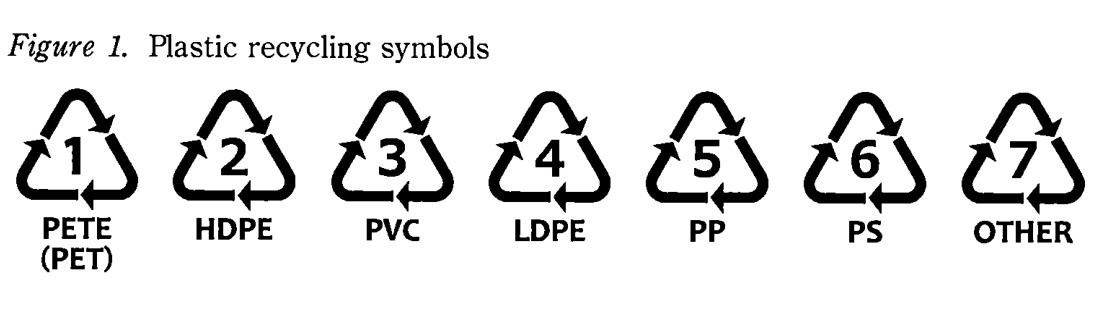
The world is full of various types of plastic. Look around, and you will see dozens of plastic items. Look closer and you will notice a recycling symbol on them. In Japan, you might have seen the first symbol in Figure 1 below, but the United States and Europe have a more detailed classification. These recycling symbols look like a triangle of chasing pointers, or sometimes a simple triangle with a number from one to seven inside. This system was started in 1988 by the Society of the Plastics Industry in the US, but since 2008 it has been administered by an international standards organization, ASTM (American Society for Testing and Materials) International. Recycling symbols provide important data about the chemical composition of plastic used and its recyclability. However, a plastic recycling symbol on an object does not always mean that the item can be recycled. It only shows what type of plastic it is made from and that it might be recyclable.

Figure 1 showing plastic recycling symbols numbered 1 through 7: PETE (PET), HDPE, PVC, LDPE, PP, PS, and OTHER.

So, what do these numbers mean? One group (numbers 2, 4, and 5) is considered to be safe for the human body, while the other group (numbers 1, 3, 6, and 7) could be problematic in certain circumstances. Let us look at the safer group first.

あなたは、「環境を守るために私たちが知っておくべきこと」というテーマの科学発表コンテストに向けて、ポスターを準備している生徒のグループに所属しています。あなたたちは、次の文章を使ってポスターを作成してきました。

プラスチックのリサイクル――知っておくべきこと――

世界にはさまざまな種類のプラスチックがあります。周囲を見回すと、数十個ものプラスチック製品が目に入るでしょう。よく見ると、それらにリサイクルマークが付いていることに気づくでしょう。Japanでは、下のFigure 1にある最初のマークを見たことがあるかもしれませんが、United StatesとEuropeでは、より詳しい分類が使われています。これらのリサイクルマークは、追いかけ合う矢印の三角形のように見えたり、1から7までの数字が中に入った単純な三角形のように見えたりします。この制度は1988年にUSのSociety of the Plastics Industryによって始められましたが、2008年以降は国際標準化機関であるASTM (American Society for Testing and Materials) Internationalによって管理されています。リサイクルマークは、使用されているプラスチックの化学組成と、リサイクル可能性に関する重要な情報を提供します。しかし、物にプラスチックのリサイクルマークが付いていても、その品物を必ずリサイクルできるとは限りません。そのマークは、その物がどの種類のプラスチックでできているか、そしてリサイクルできる可能性があることを示しているだけです。

では、これらの数字は何を意味するのでしょうか。一方のグループ(2、4、5)は人体にとって安全だと考えられていますが、もう一方のグループ(1、3、6、7)は、状況によっては問題を起こす可能性があります。まず、より安全なグループを見てみましょう。

High-density Polyethylene is a recycle-type 2 plastic and is commonly called HDPE. It is non-toxic and can be used in the human body for heart valves and artificial joints. It is strong and can be used at temperatures as low as −40°C and as high as 100°C. HDPE can be reused without any harm and is also suitable for beer-bottle cases, milk jugs, chairs, and toys. Type 2 products can be recycled several times. Type 4 products are made from Low-density Polyethylene (LDPE). They are safe to use and are flexible. LDPE is used for squeezeable bottles, and bread wrapping. Currently, very little Type 4 plastic is recycled. Polypropylene (PP), a Type 5 material, is the second-most widely produced plastic in the world. It is light, non-stretching, and has a high resistance to impact, heat, and freezing. It is suitable for furniture, food containers, and polymer banknotes such as the Australian dollar. Only 3% of Type 5 is recycled.

High-density Polyethyleneはリサイクル分類2のプラスチックで、一般にHDPEと呼ばれています。無毒で、心臓弁や人工関節など、人体内で使用できます。丈夫で、−40°Cという低温から100°Cという高温まで使用できます。HDPEは害を及ぼすことなく再利用でき、ビール瓶用のケース、牛乳容器、椅子、おもちゃにも適しています。分類2の製品は何度もリサイクルできます。分類4の製品はLow-density Polyethylene (LDPE)で作られています。安全に使用でき、柔軟性があります。LDPEは絞り出せるボトルやパンの包装に使われます。現在、分類4のプラスチックがリサイクルされることはほとんどありません。Polypropylene (PP)は、分類5の素材で、世界で2番目に多く生産されているプラスチックです。軽く、伸びにくく、衝撃、熱、凍結に対する耐性が高いという特徴があります。家具、食品容器、オーストラリアドルのようなポリマー紙幣に適しています。分類5のプラスチックがリサイクルされる割合はわずか3%です。

Now let us look at the second group, Types 1, 3, 6, and 7. These are more challenging because of the chemicals they contain or the difficulty in recycling them. Recycle-type 1 plastic is commonly known as PETE (Polyethylene Terephthalate), and is used mainly in food and beverage containers. PETE containers—or PET as it is often written in Japan—should only be used once as they are difficult to clean thoroughly. Also, they should not be heated above 70°C as this can cause some containers to soften and change shape. Uncontaminated PETE is easy to recycle and can be made into new containers, clothes, or carpets, but if PETE is contaminated with Polyvinyl Chloride (PVC), it can make it unrecyclable. PVC, Type 3, is thought to be one of the least recyclable plastics known. It should only be disposed of by professionals and never set fire to at home or in the garden. Type 3 plastic is found in shower curtains, pipes, and flooring. Type 6, Polystyrene (PS) or Styrofoam as it is often called, is hard to recycle and catches fire easily. However, it is cheap to produce and lightweight. It is used for disposable drinking cups, instant noodle containers, and other food packaging. Type 7 plastics (acrylics, nylons, and polycarbonates) are difficult to recycle. Type 7 plastics are often used in the manufacture of vehicle parts such as seats, dashboards, and bumpers.

Currently, only about 20% of plastic is recycled, and approximately 55% ends up in a landfill. Therefore, knowledge about different types of plastic could help reduce waste and contribute to an increased awareness of the environment.

では、2番目のグループ、分類1、3、6、7を見てみましょう。これらは、含まれる化学物質や、リサイクルの難しさのために、より扱いが難しいものです。リサイクル分類1のプラスチックは、一般にPETE (Polyethylene Terephthalate)として知られ、主に食品や飲料の容器に使われています。PETEの容器は、Japanでよく書かれるPETという表記の場合も含め、隅々まで洗浄するのが難しいため、一度だけ使用すべきです。また、70°Cを超えて加熱してはいけません。容器によっては柔らかくなり、形が変わる可能性があるからです。汚染されていないPETEは簡単にリサイクルでき、新しい容器や衣服、カーペットに加工できます。しかし、PETEがPolyvinyl Chloride (PVC)で汚染されると、リサイクルできなくなる可能性があります。分類3のPVCは、知られている中で最もリサイクルしにくいプラスチックの一つだと考えられています。専門家によってのみ廃棄されるべきで、家庭や庭で決して火をつけてはいけません。分類3のプラスチックは、シャワーカーテン、パイプ、床材に使われています。分類6のPolystyrene (PS)、つまり一般にStyrofoamと呼ばれるものは、リサイクルが難しく、簡単に燃えます。しかし、安価に生産でき、軽量です。使い捨ての飲料カップ、インスタント麺の容器、その他の食品包装に使われています。分類7のプラスチック(アクリル、ナイロン、ポリカーボネート)はリサイクルが困難です。分類7のプラスチックは、座席、ダッシュボード、バンパーなどの自動車部品の製造によく使われます。

現在、リサイクルされているプラスチックは約20%にすぎず、およそ55%が埋め立て地に行き着いています。したがって、さまざまな種類のプラスチックについての知識は、廃棄物を減らし、環境への意識を高めることに役立つでしょう。

Your presentation poster draft:

Do you know the plastic recycling symbols?

What are plastic recycling symbols?

Types of plastic and recycling information

Type | Symbol | Description | Products 1 | PETE (PET) | This type of plastic is common and generally easy to recycle. | drink bottles, food containers, etc. 2 | HDPE | This type of plastic is easily recycled [45]. | heart valves, artificial joints, chairs, toys, etc. 3 | PVC | This type of plastic is [46]. | shower curtains, pipes, flooring, etc. 4 | LDPE

Plastics with common properties [47] [48]

あなたの発表用ポスターの下書き:

プラスチックのリサイクルマークを知っていますか。

プラスチックのリサイクルマークとは何ですか。

プラスチックの種類とリサイクル情報

種類|マーク|説明|製品 1|PETE (PET)|この種類のプラスチックは一般的で、通常は簡単にリサイクルできます。|飲料ボトル、食品容器など 2|HDPE|この種類のプラスチックは簡単にリサイクルできます [45]。|心臓弁、人工関節、椅子、おもちゃなど 3|PVC|この種類のプラスチックは [46]。|シャワーカーテン、パイプ、床材など 4|LDPE

共通する性質を持つプラスチック [47] [48]

Under the first poster heading, your group wants to introduce the plastic recycling symbols as explained in the passage. Which of the following is the most appropriate? [44]

You have been asked to write descriptions of Type 2 and Type 3 plastics. Choose the best options for [45] and [46].

You are making statements about some plastics which share common properties. According to the article, which two of the following are appropriate? (The order does not matter.) [47] [48]

最初のポスター見出しの下で、あなたのグループは本文で説明されているプラスチックのリサイクルマークを紹介したいと考えています。次のうち、最も適切なものはどれですか。[44]

分類2と分類3のプラスチックについて説明を書くよう頼まれました。[45]と[46]に入る最もよい選択肢を選びなさい。

共通する性質を持つプラスチックについて述べています。本文によると、次のうち適切なものを2つ選びなさい。(順序は問いません。)[47] [48]

3

解答解説

設問 1 の解答・解説

Choose the best option for ____.

訳

[39]に入る最もよい選択肢を選びなさい。

diurnalの定義を問う問題です。本文のactive during the dayが「昼間に活動する」という意味なので、選択肢3を選びます。

選択肢を比べる

1. achieves goals quickly

訳

すぐに目標を達成する

目標を早く達成することはearly birdの比喩に関係しますが、昼間に活動するという定義ではありません。

2. likes keeping pet birds

訳

ペットの鳥を飼うのが好きである

ペットの鳥を飼うことはdiurnalの意味と関係ありません。

3. lively in the daytime

○ 正解
訳

昼間に活発である

active during the dayを「昼間に活発な」と言い換えています。

4. skillful in finding food

訳

食べ物を見つけるのが上手である

食べ物を見つける能力はearly birdの説明であり、diurnalの定義ではありません。

設問 2 の解答・解説

Choose the best option for ____.

訳

[40]に入る最もよい選択肢を選びなさい。

要約のBasicallyは本文後半の結論をまとめます。朝型・夜型の傾向は生まれつき組み込まれており、自由が増えても元のlarkまたはowlの性質に戻るという説明から選択肢3です。

選択肢を比べる

1. a more flexible time and performance schedule will be developed in the future

訳

将来、より柔軟な時間および能力の発揮に関する予定が作られるだろう

将来、柔軟な時間割が開発されるという予測はありません。

2. enjoying social activities in the morning becomes more important as we age

訳

年齢を重ねるにつれて、朝の社交活動を楽しむことがより重要になる

年齢とともに朝の社交活動が重要になるとは述べていません。

3. it might be hard for us to change what time of day we perform best

○ 正解
訳

私たちが最もよく能力を発揮できる時間帯を変えるのは難しいかもしれない

得意な時間帯は変えにくく、成長後もlarkまたはowlの傾向に戻るという本文に合います。

4. living on the owl schedule will eventually lead to social and financial benefits

訳

フクロウの予定に従って生活すれば、最終的に社会的・経済的利益につながる

owlの生活が社会的・金銭的利益を生むとは述べず、むしろ昼間の機会を逃す場合があると説明しています。

設問 3 の解答・解説

Choose the best option for ____.

訳

[41]に入る最もよい選択肢を選びなさい。

宗教や中国の時間区分を挙げた目的は、日が朝に始まるという制度がすべての社会に共通するわけではないと示すことです。選択肢1が適切です。

選択肢を比べる

1. explain that certain societies have long believed that a day begins at night

○ 正解
訳

特定の社会では、昔から一日は夜に始まると考えられてきたことを説明する

ユダヤ教や中国の例は、日を夜から始める社会的な考え方が長く存在したことを示します。

2. indicate that nocturnal people were more religious in the past

訳

夜行性の人々が過去にはより宗教的だったことを示す

夜型の人が過去により信心深かったという比較はありません。

3. say that people have long thought they miss chances due to morning laziness

訳

朝の怠惰のために人々が機会を逃すと、昔から考えられてきたと言う

朝の怠惰で機会を逃す話は、社会の昼間中心の制度についての別の説明です。

4. support the idea that owls must go to work or school on the lark schedule

訳

フクロウはヒバリの予定で仕事や学校に行かなければならないという考えを支持する

owlがlarkの時間に学校や仕事へ行く話は、文化的な一日の始まりを示す直接の目的ではありません。

設問 4 の解答・解説

Choose the best options for ____ and ____.

訳

[42]と[43]に入る最もよい選択肢を選びなさい。

二つの空欄には、時間の好みや知性・行動の違いに関係する項目を入れます。出生時刻はinternal clockとの関係が明記され、behaviorはlarkとowlの能力・習慣の違いを表すため、[42]は6、[43]は3です。順序も採点対象です。

最初の位置

1. amount of sleep

訳

睡眠時間

睡眠量を内部時計や知性の差の原因とする記述はありません。

2. appearance

訳

外見

外見は本文で扱われていません。

3. behavior

訳

行動

行動は本文後半のlark・owlの生活習慣や特徴に関係しますが、[42]の出生時刻ほど直接的ではありません。

4. cultural background

訳

文化的背景

文化的背景は一日の始まり方の例であり、個人の内部時計の原因として提示されていません。

5. religious beliefs

訳

宗教的信念

宗教的信念は時間制度の説明に使われ、知性や内部時計を決める要因とはされていません。

6. time of birth

○ 正解
訳

出生時刻

本文は出生時刻と昼夜の好み、さらに出生時に内部時計が始まる可能性を明記しています。

最後の位置

1. amount of sleep

訳

睡眠時間

睡眠量そのものを知性・行動差の原因とする説明はありません。

2. appearance

訳

外見

外見に関する研究はありません。

3. behavior

○ 正解
訳

行動

owlは賢く創造的、larkは正確でストレスが少ないなど、行動や能力の違いが述べられています。

4. cultural background

訳

文化的背景

文化的背景は社会の時間の区切り方に関する情報です。

5. religious beliefs

訳

宗教的信念

宗教的信念が個人の知性や体内時計を決めるとは書かれていません。

6. time of birth

訳

出生時刻

出生時刻は[42]に入る要因であり、[43]の知性・行動の差を表す語ではありません。

設問 5 の解答・解説

Under the first poster heading, your group wants to introduce the plastic recycling symbols as explained in the passage. Which of the following is the most appropriate? ____

訳

最初のポスター見出しの下で、あなたのグループは本文で説明されているプラスチックのリサイクルマークを紹介したいと考えています。次のうち、最も適切なものはどれですか。[44]

記号の機能を問う問題です。記号は材質の化学組成とリサイクル可能性を伝えるもので、順位付けや証明書ではありません。[44]は2です。

選択肢を比べる

1. They are symbols that rank the recyclability of plastics and other related problems.

訳

プラスチックのリサイクルしやすさや、その他の関連する問題を順位付けするマークです。

記号がリサイクル性を順位付けしたり、関連問題を評価したりするとは書かれていません。

2. They provide information on the chemical make-up and recycling options of the plastic.

○ 正解
訳

プラスチックの化学的な成分と、リサイクルの選択肢に関する情報を提供します。

化学組成とリサイクルに関する情報を示すという本文の説明です。

3. They tell the user which standards organization gave them certificates for general use.

訳

一般使用の証明書を与えた標準化機関を利用者に知らせます。

標準化機関が一般使用の証明書を与える記号ではありません。

4. They were introduced by ASTM and developed by the Society of the Plastics Industry.

訳

ASTMによって導入され、Society of the Plastics Industryによって開発されました。

制度は1988年にSociety of the Plastics Industryが始め、2008年以降ASTM Internationalが管理したため、主語と時系列が逆です。

設問 6 の解答・解説

Type 2 ____

訳

分類2 [45]

Type 2のHDPEについて、強さと使用可能な温度範囲を表す選択肢を選びます。−40℃から100℃まで使えるとあるため、[45]は2です。

選択肢を比べる

1. and commonly known as a single-use plastic

訳

そして、一般に一度しか使えないプラスチックとして知られている

HDPEは再利用できるため、single-useという説明と反対です。

2. and used at a wide range of temperatures

○ 正解
訳

そして、幅広い温度範囲で使用される

−40℃から100℃まで使用できるという本文の具体的情報に合います。

3. but harmful to humans

訳

しかし、人間に有害である

HDPEはnon-toxicと説明され、有害とはされていません。

4. but unsuitable for drink containers

訳

しかし、飲料容器には適していない

HDPEは牛乳容器などに使われるため、飲料容器に不適切とはいえません。

設問 7 の解答・解説

Type 3 ____

訳

分類3 [46]

Type 3のPVCは、リサイクルが難しく、専門家が処分し、家庭や庭で燃やしてはいけないと説明されています。[46]は1です。

選択肢を比べる

1. difficult to recycle and should not be burned in the yard

○ 正解
訳

リサイクルが難しく、庭で燃やしてはいけない

PVCは「one of the least recyclable plastics」であり、家庭や庭で燃やしてはいけないため、本文の二つの注意をまとめています。

2. flammable; however, it is soft and cheap to produce

訳

燃えやすい。しかし、柔らかく、生産費が安い

燃えやすく安価で軽いのは主にType 6のPSの説明です。

3. known to be a non-toxic product

訳

無毒な製品として知られている

無毒なのはType 2のHDPEで、PVCの性質ではありません。

4. well known for being easily recyclable

訳

リサイクルが容易なことでよく知られている

PVCはリサイクルが難しいため、容易にリサイクルできるという説明と逆です。

設問 8 の解答・解説

According to the article, which two of the following are appropriate for ____ and ____? The order does not matter.

訳

本文によると、[47]と[48]に入るものとして適切な選択肢を次の中から2つ選びなさい。順序は問いません。

本文に基づき、複数のTypeに共通する性質を二つ選びます。Type 1・2・4・5・6は食品・飲料の容器や包装に使われる例があり、Type 5とType 6はいずれも軽いと明記されています。したがって正解は選択肢3と4です。

組み合わせ(順不同)

1. Boiling water (100°C) can be served in Type 1 and Type 6 plastic containers.

訳

沸騰した湯(100°C)を分類1と分類6のプラスチック容器に入れて提供できる。

Type 1は70℃を超えて加熱しないようにし、Type 6は火がつきやすいため、両方で100℃の湯を安全に扱えるとはいえません。 Type 1は70℃超の加熱を避ける必要があり、Type 6も耐熱性を共通の特徴とはされていません。

2. It is easy to recycle products with Type 1, 2, and 3 logos.

訳

分類1、2、3のマークが付いた製品は簡単にリサイクルできる。

Type 3はリサイクルが難しく、Type 1も汚染されるとリサイクル不能になるため、三種類すべてが容易にリサイクルできるわけではありません。 Type 1・3・6はいずれも容易にリサイクルできるわけではありません。

3. Products with the symbols 1, 2, 4, 5, and 6 are suitable for food or drink containers.

○ 正解
訳

1、2、4、5、6のマークが付いた製品は、食品または飲料の容器に適している。

Type 1はfood and beverage containers、Type 2はmilk jugs、Type 4はsqueezeable bottlesやbread wrapping、Type 5はfood containers、Type 6はdrinking cupsやfood packagingに使われます。食品・飲料に関わる容器・包装という共通点を、用途の具体例からまとめられます。

4. Products with Type 5 and Type 6 markings are light in weight.

○ 正解
訳

分類5と分類6の表示がある製品は軽量である。

Type 5のPPはlight、Type 6のPSはlightweightと明記されています。 Type 5とType 6はともに軽いと説明されています。

5. Type 4 and 5 plastics are heat resistant and are widely recycled.

訳

分類4と分類5のプラスチックは耐熱性があり、広くリサイクルされている。

Type 4はほとんどリサイクルされず、Type 5もリサイクル率は3%なので、広くリサイクルされているとはいえません。 Type 4はほとんどリサイクルされず、Type 5も3%だけなので、widely recycledとはいえません。

6. Type 6 and 7 plastics are easy to recycle and environmentally friendly.

訳

分類6と分類7のプラスチックはリサイクルしやすく、環境に優しい。

Type 6と7はリサイクルが難しいグループで、環境にやさしく容易にリサイクルできるという内容ではありません。 Type 6と7はリサイクルが難しく、環境にやさしく容易にリサイクルできるとは説明されていません。

4

読み方のポイントまとめ

第6問は、Aで朝型のlarkと夜型のowlについて、生活上の特徴、社会の時間制度、出生時刻やDNAなどに関する研究を読み、要約ノートを完成させます。Bでは、プラスチックのリサイクル記号が示す情報と、Type 1〜7の性質・用途・安全性・リサイクルの難しさを整理し、ポスターの空欄を埋めます。本文と選択肢を照合するときは、同じ語があるかだけでなく、対象となる番号、条件、程度、因果関係まで確認することが大切です。

  • 先に要約ノートやポスターの空欄前後を読み、本文のどの段落・表のどの列が必要か予測します。
  • Aではlarkとowlを、活動時間、健康・富、知性、学校や仕事との相性などの項目ごとに整理します。
  • 研究結果では、mayやmightなどの可能性と、断定的な表現を区別します。
  • BではTypeごとに番号、名称、用途、安全性、耐熱性、リサイクル性を対応させます。
  • 複数選択では各選択肢を独立して本文と照合し、順不同の採点単位では正しい二つをどの順で選んでもよいと確認します.

間違えやすいポイント

larkが健康・富で有利という記述だけを見て、知性もlarkのほうが高いと考えやすいです。
評価軸を分けて整理します。健康・富はlark、知性・創造性はowlというように、項目ごとに主語と評価を確認します。

ユダヤ教・キリスト教・中国の例を、夜型の人の宗教心や性格の説明だと誤読しやすいです。
直前の問い「Does everyone follow the system of beginning days in the morning?」に戻り、一日の始まり方が文化ごとに異なることを示す例だと判断します。

リサイクル記号が付いていれば、必ず再生利用できると思い込みやすいです。
does not always meanを確認し、記号は材質とリサイクル可能性を示すだけで、実際のリサイクルを保証しないと押さえます。

Typeごとの性質を別の番号に移してしまいやすいです。
番号ごとに名称・用途・安全性・熱・リサイクル性を一行で整理します。特にType 2の温度範囲、Type 3の処分方法、Type 6の燃えやすさを区別します。

次の問題にも使える読み方

対比表現を項目別に整理する
二つのタイプが対比される文章では、段落を読み返すだけでなく、活動時間、生活、利点、弱点、研究結果を横並びにします。
例:「一方は正確でストレスが少なく、他方は冒険を好むが休みにくい」とあれば、単純な優劣ではなく、評価項目が異なる対比だと判断します。

可能性と断定を区別する
may、might、suggest、appearsなどは可能性や仮説を示します。選択肢が必ず・すべて・決定するなど強く言い換えていないか確認します。
例:「time of birth may affect the internal clock」は、出生時刻が必ず朝型・夜型を決めるという意味ではありません。

図表の空欄を行と列で照合する
図表問題では、空欄のある行の番号と、説明・製品などの列の役割を先に固定します。その後、本文から該当する情報だけを移します。
例:Type 3の製品がshower curtains、pipes、flooringなら、説明欄にはPVCの処分上の注意を入れ、Type 6の軽さを混ぜません。

5

重要語句

morning person
朝型の人
night owl
夜型の人
concentrate
集中する
create
創作する、作り出す
proverb
ことわざ
catch the worm
早く行動して好機を得る
diurnal
昼間に活動する、昼行性の
nocturnal
夜に活動する、夜行性の
hit the snooze button
目覚ましのスヌーズボタンを押す
perform tasks
仕事や課題をこなす
internal clock
体内時計
lifelong
生涯にわたる
sundown
日没
from eve to eve
ある日の夕方から翌日の夕方まで
hard-wired
生まれつき組み込まれた、変えにくい
categorization
分類、カテゴリー分け
chemical composition
化学組成
recyclability
リサイクル可能性
non-toxic
無毒の
resistance to impact
衝撃への耐性
contaminated
汚染された
landfill
埋立地